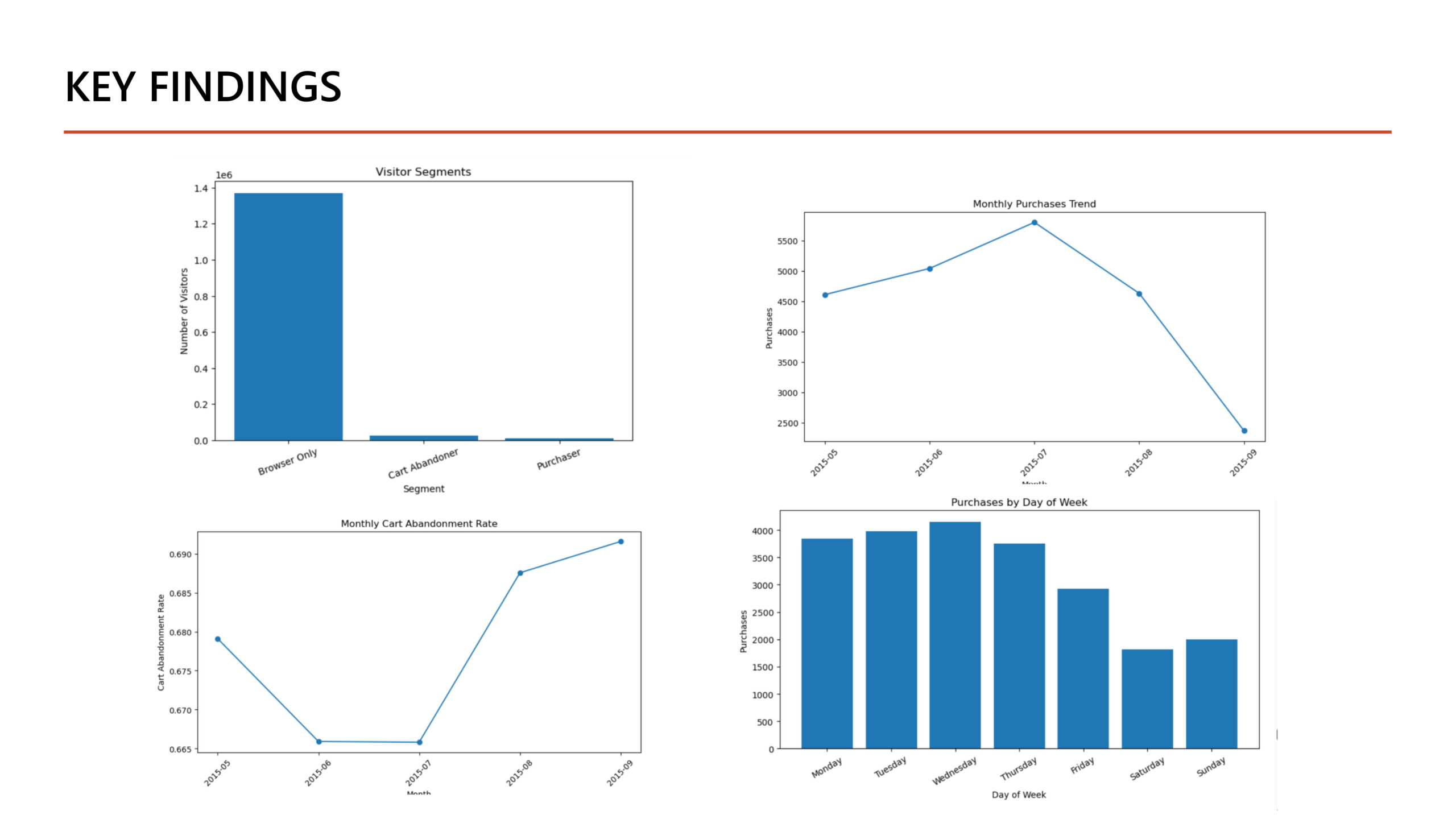
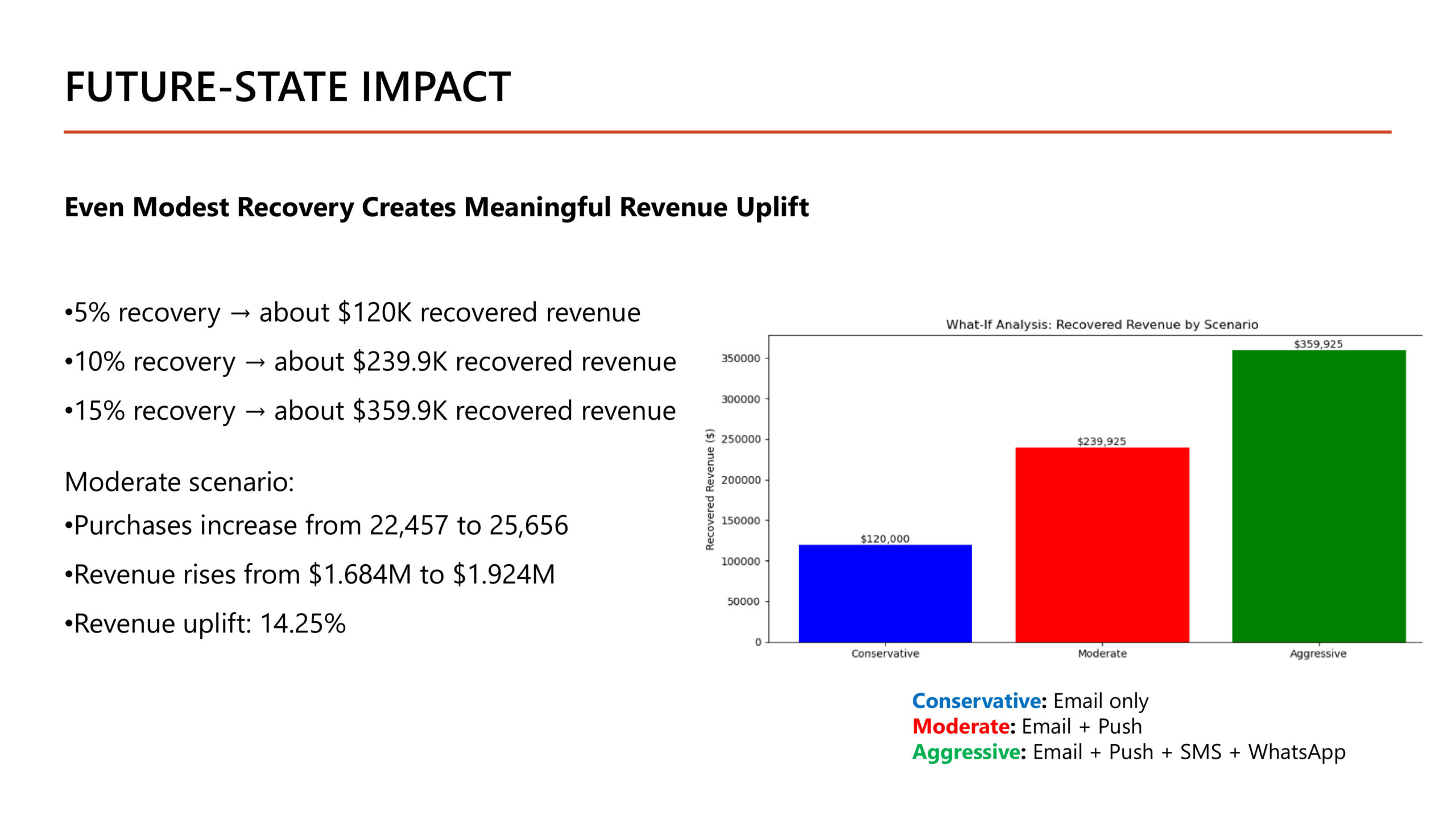
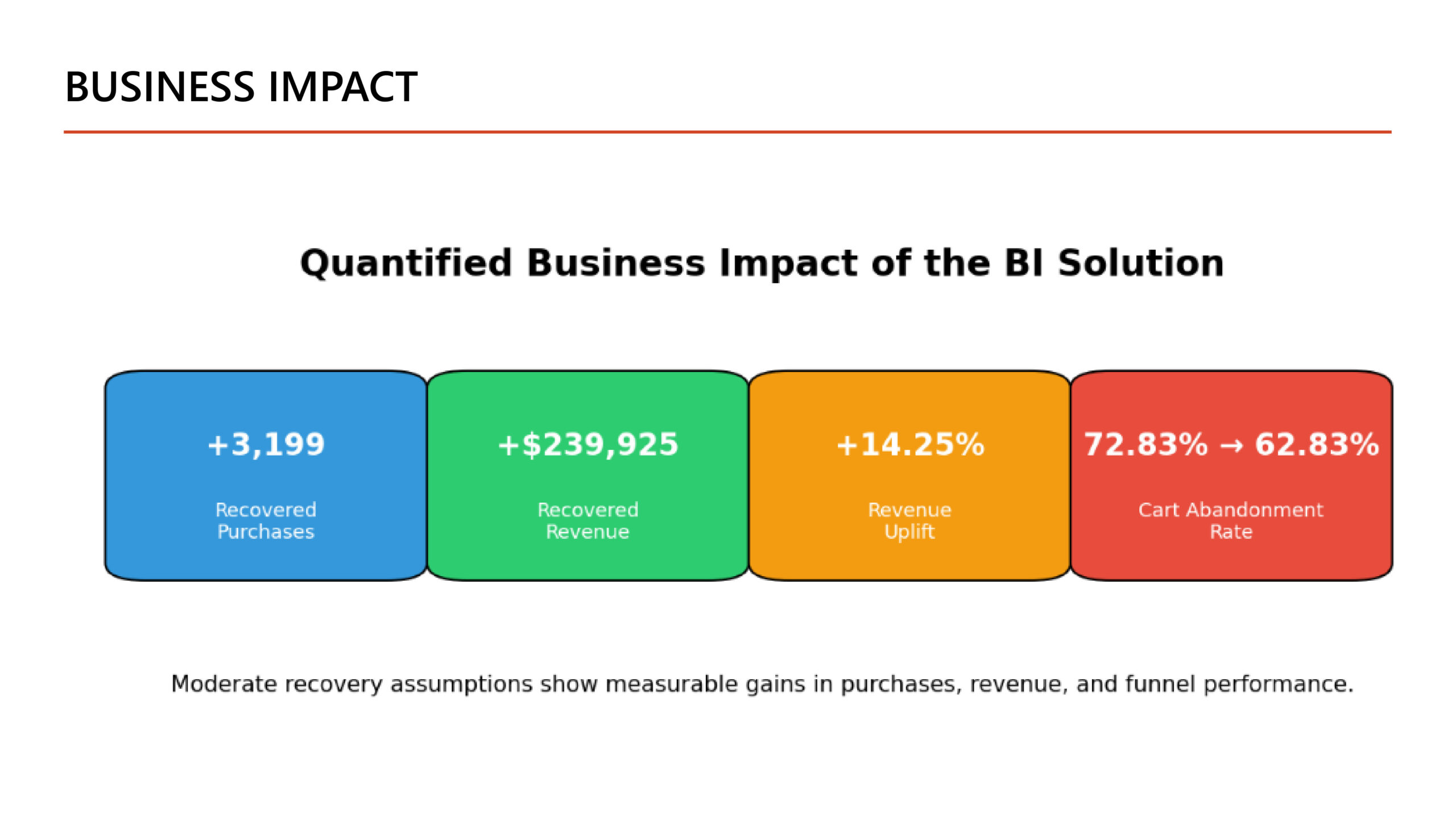
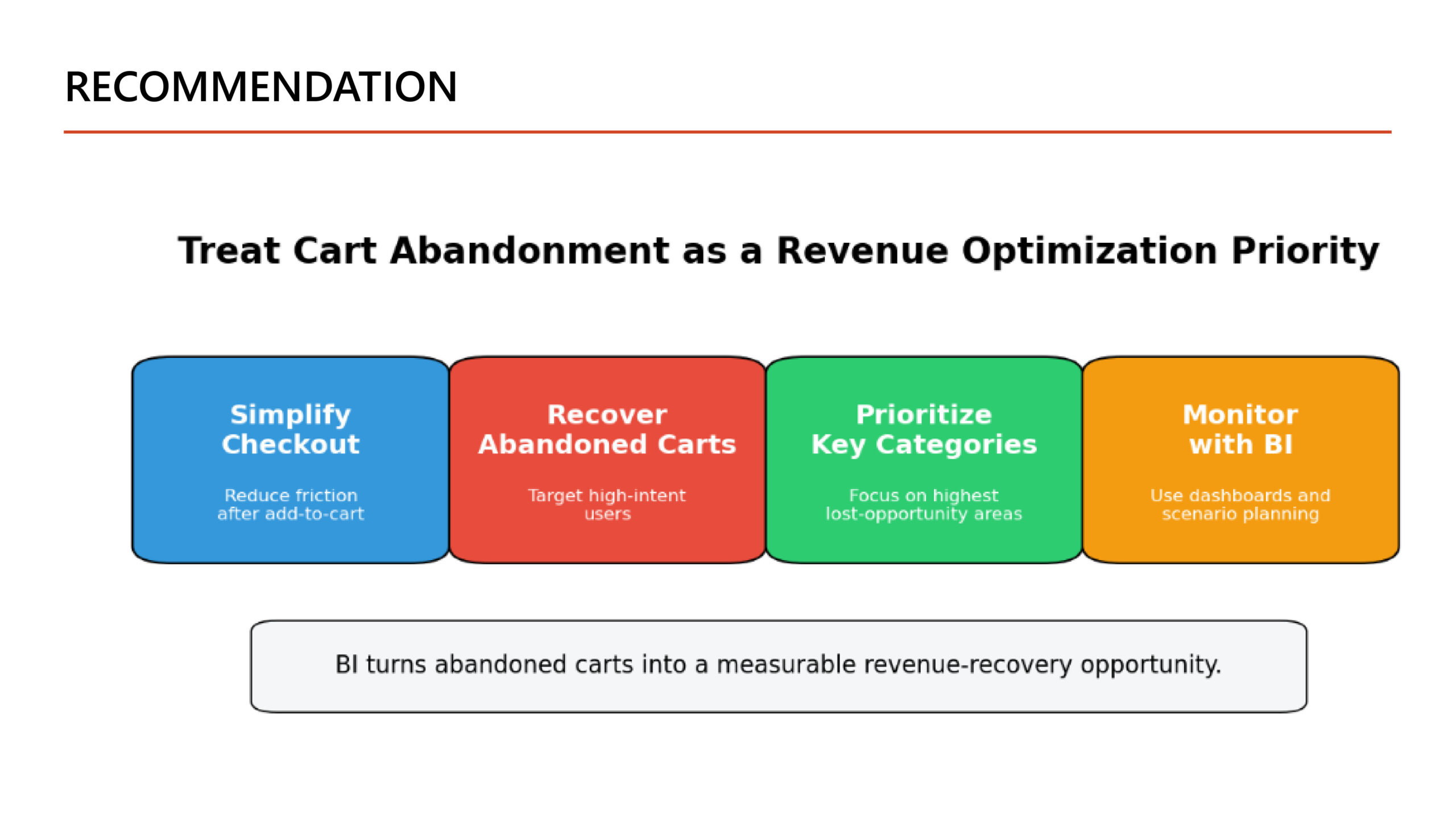
E-commerce Revenue Optimization Through Conversion Improvement & Cart Abandonment Reduction
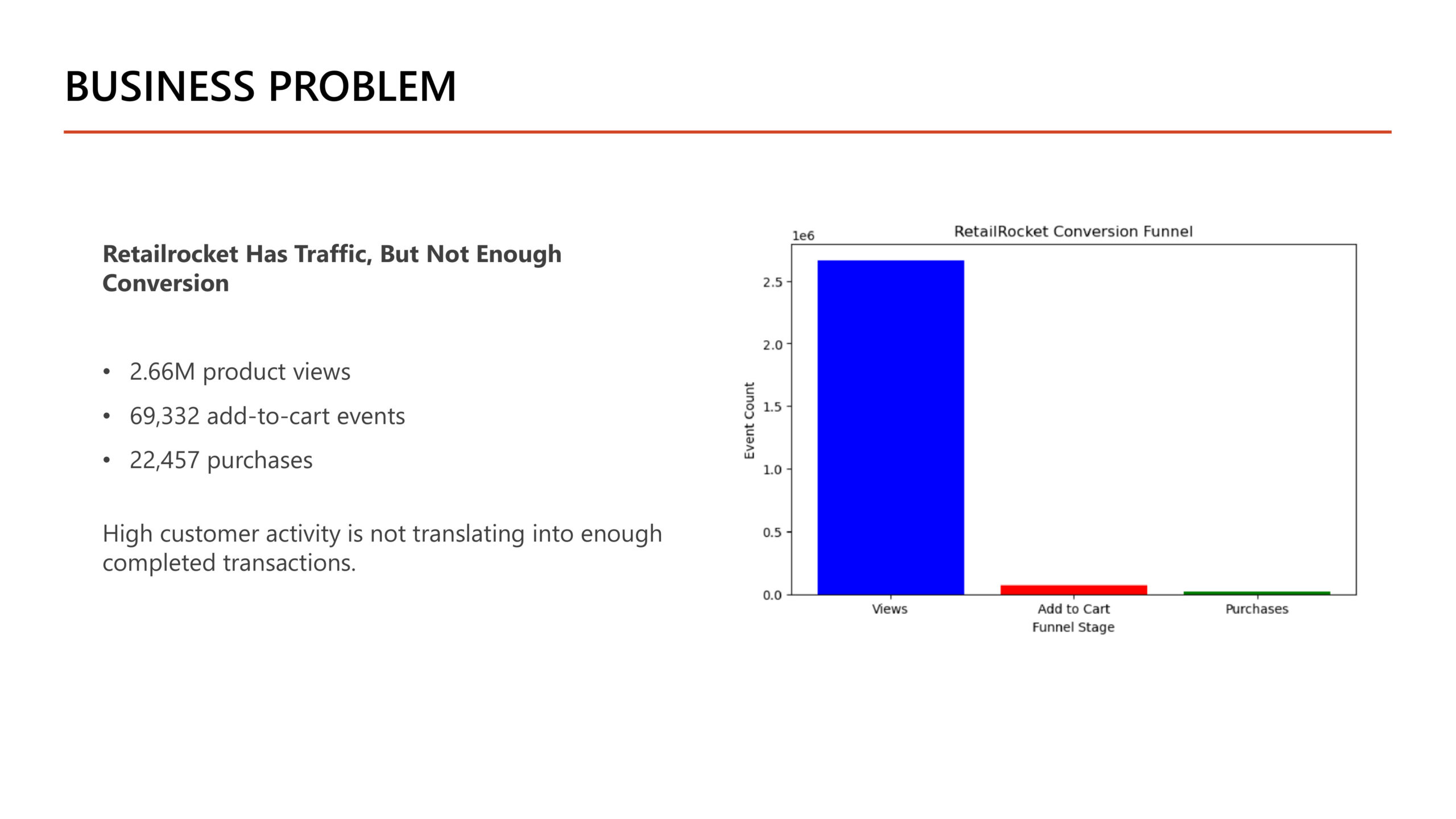
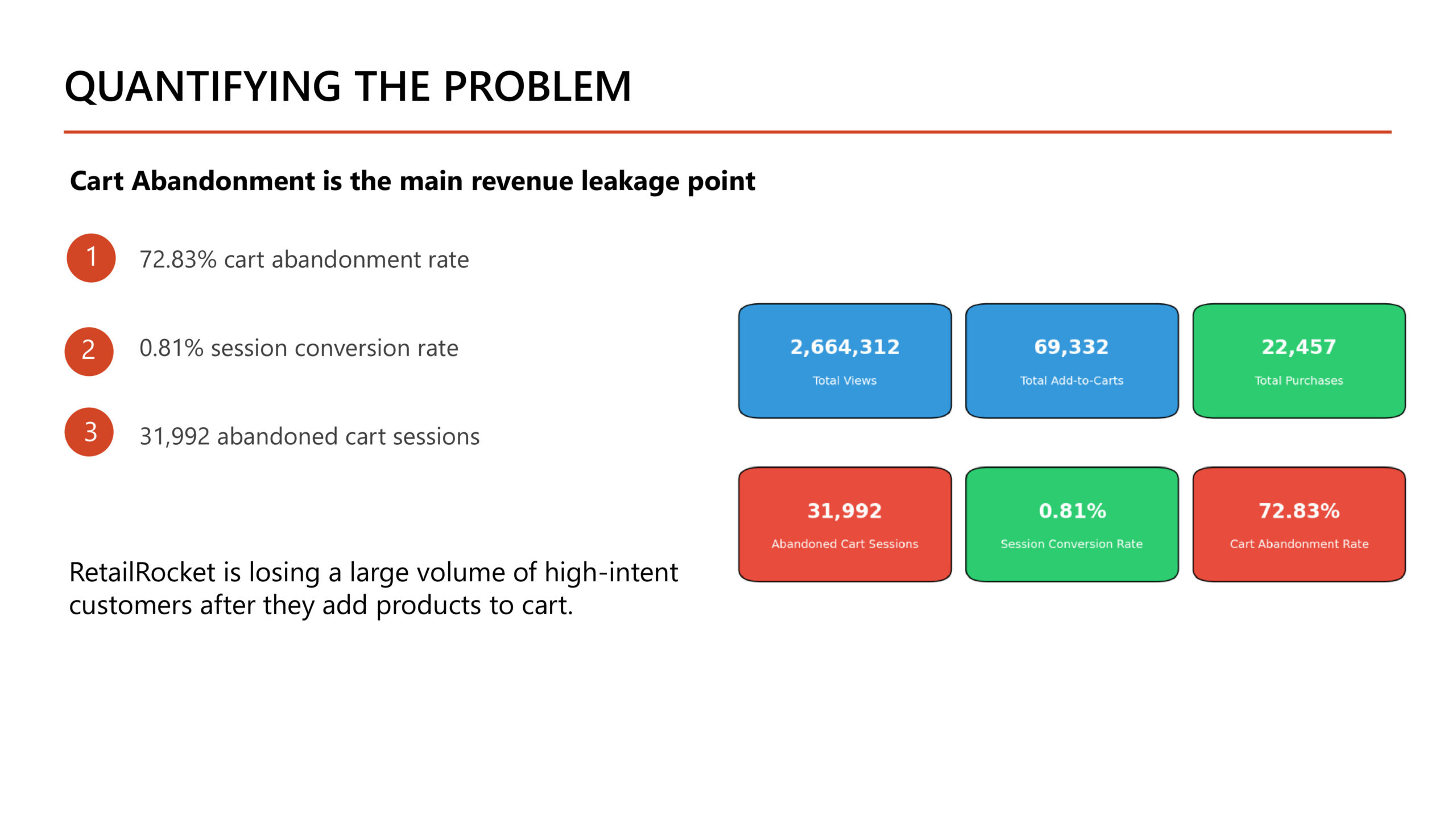
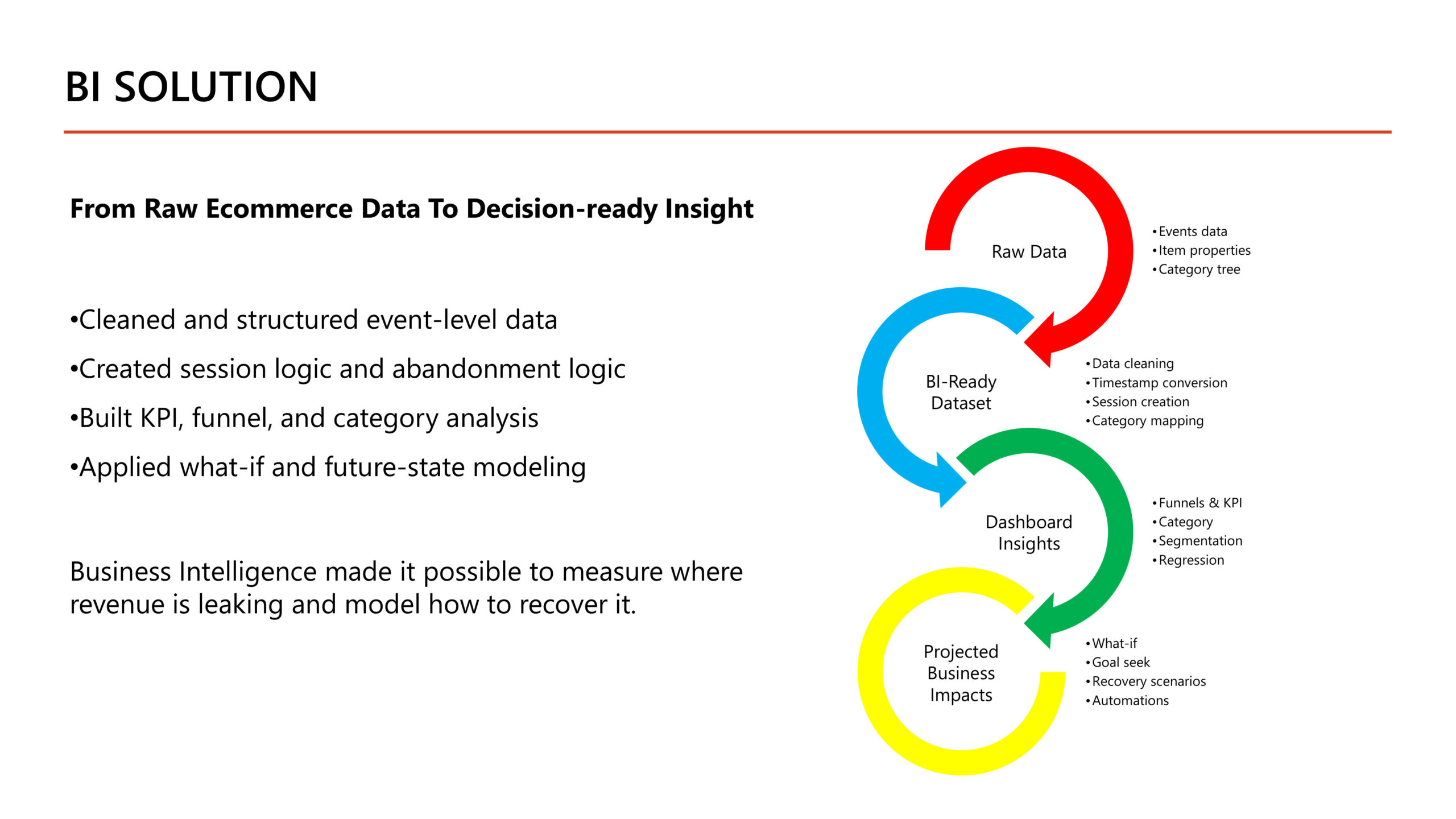
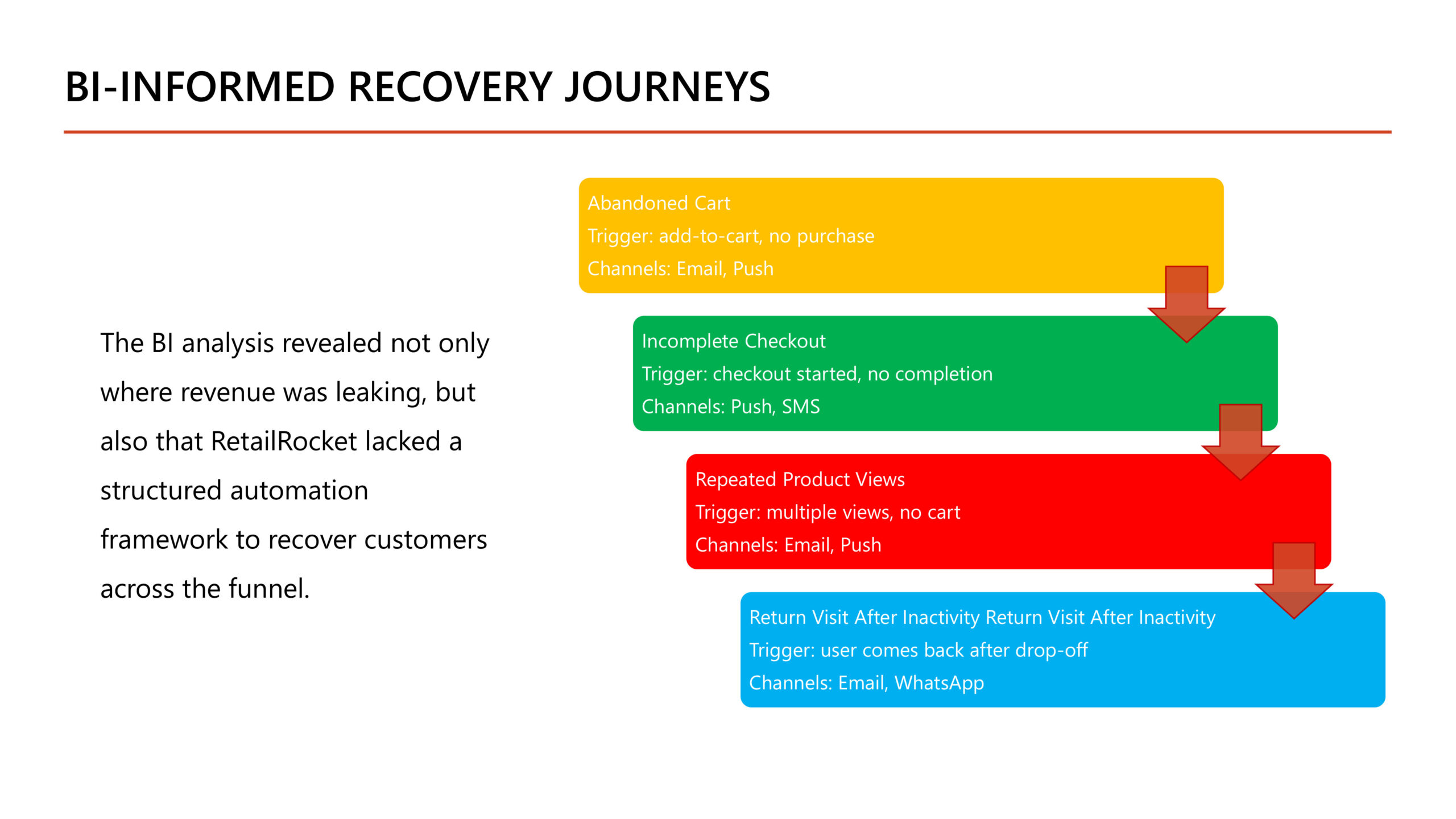
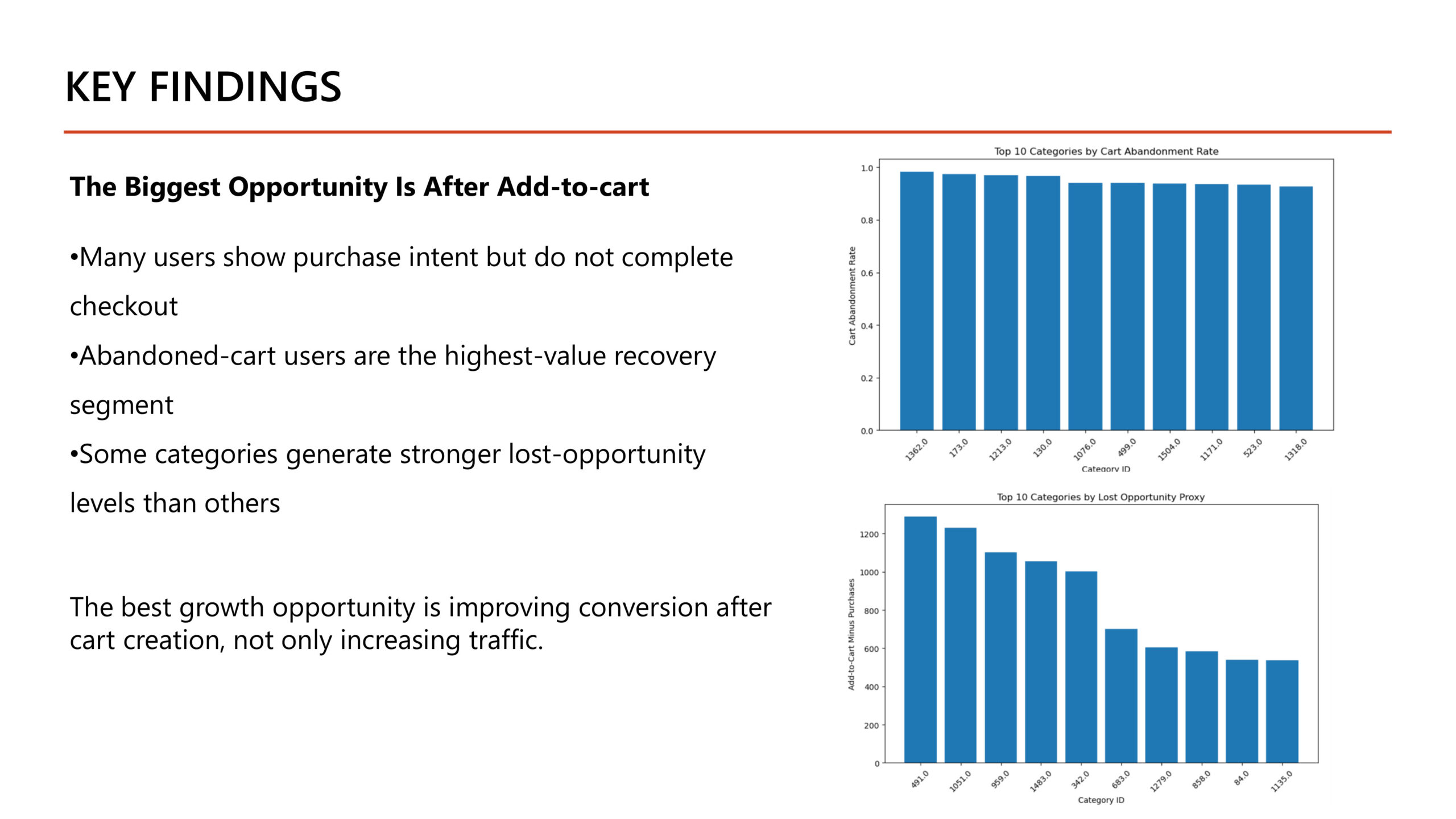
This project focused on identifying and addressing key friction points in an e-commerce funnel to improve conversion rates and reduce cart abandonment.
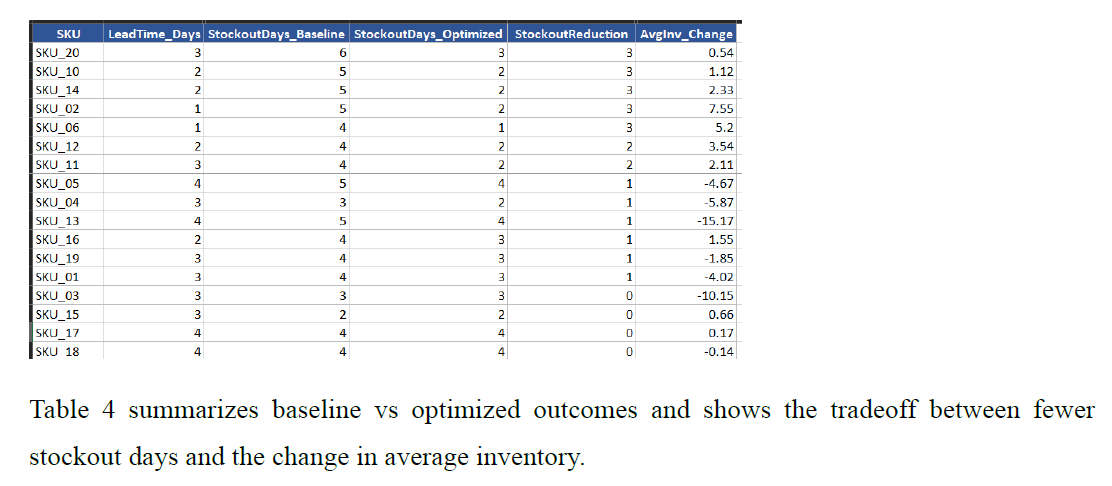
Designed a service-level–based inventory control model to reduce stockouts and improve inventory efficiency.
Problem
A retail operation managing 20 SKUs used a uniform replenishment policy despite significant differences in demand variability. This resulted in frequent stockouts for high-demand SKUs and excess exposure for slow-moving items. The objective was to design a data-driven replenishment framework that balanced service levels with inventory risk.
Results
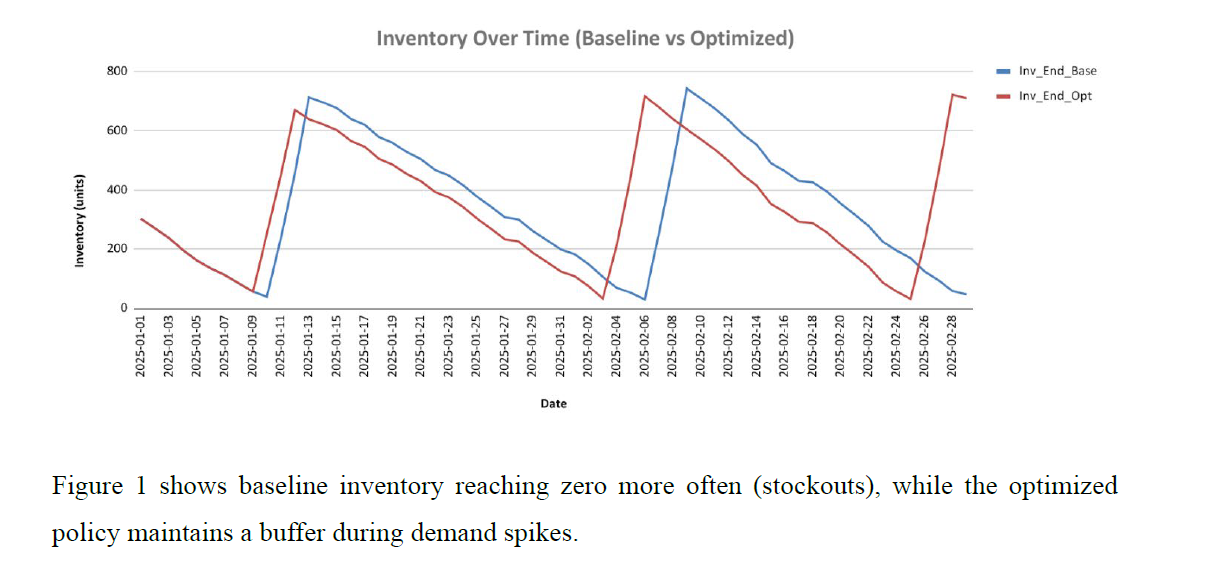
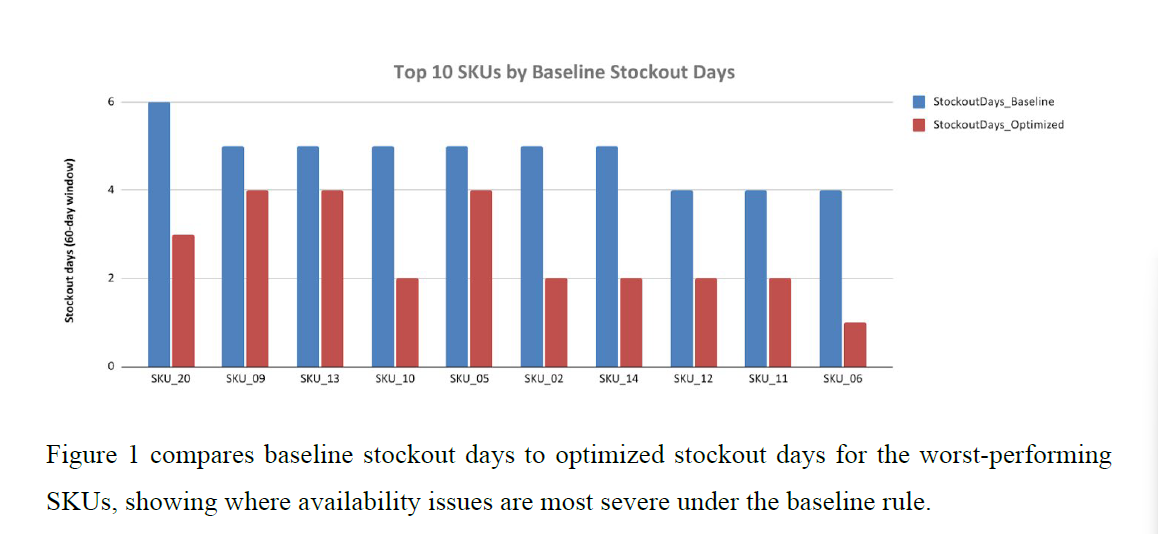
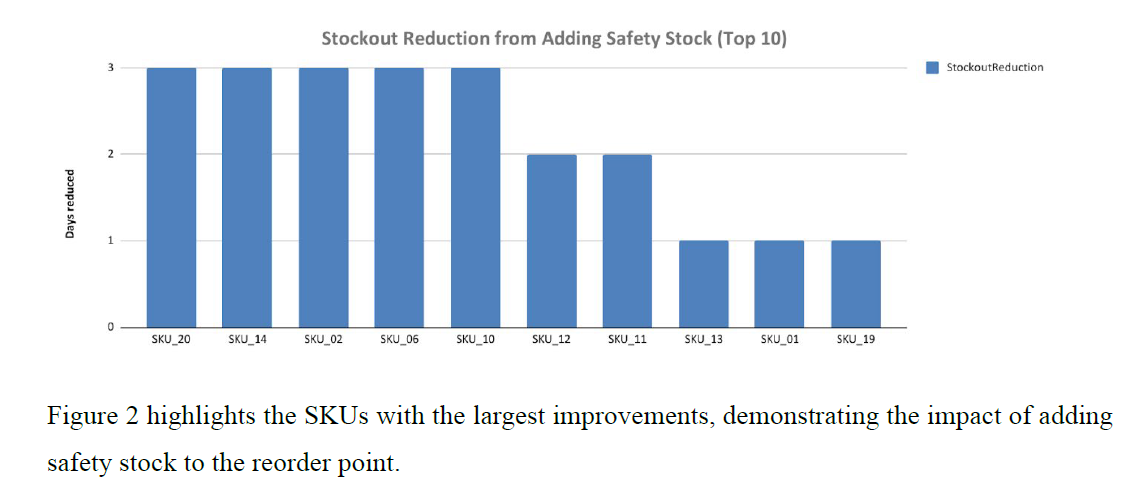
Reduced stockout days across high-variability SKUs
Improved alignment between SKU importance and service level
Demonstrated measurable trade-offs between availability and excess inventory
Built a scalable prescriptive analytics framework
Approach
Demand Analysis
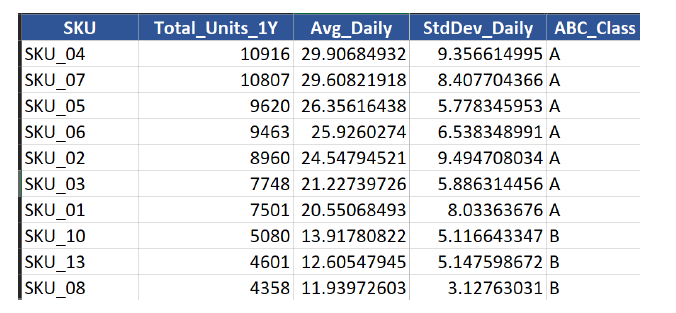
Analyzed one year of daily SKU-level demand data
Calculated average demand and variability per SKU
Identified demand volatility patterns
ABC Classification
Segmented SKUs based on demand contribution
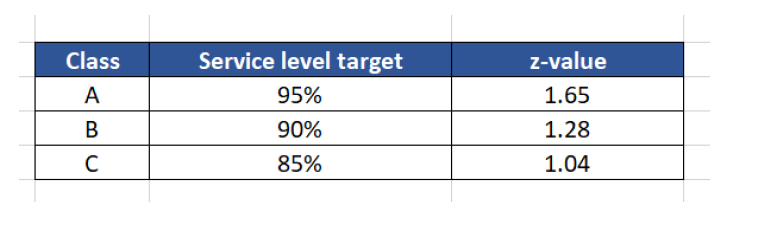
Assigned differentiated service levels (95%, 90%, 85%)
Reorder Point (ROP) Model Design
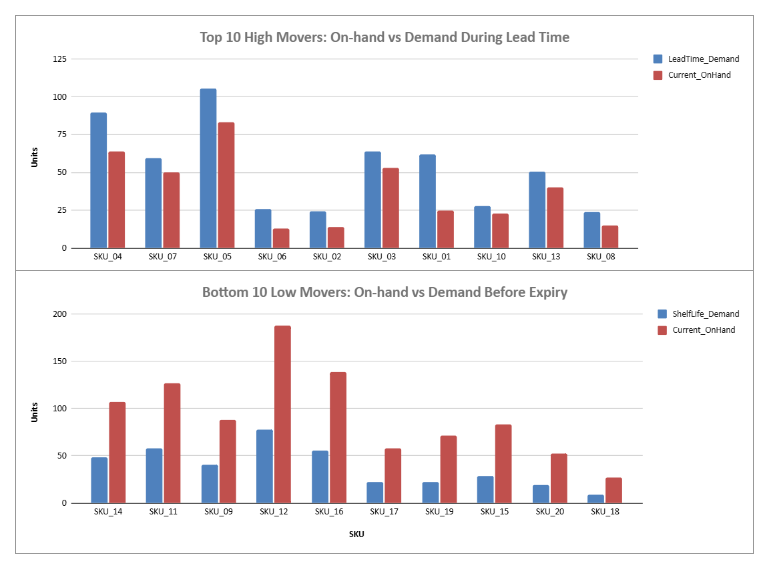
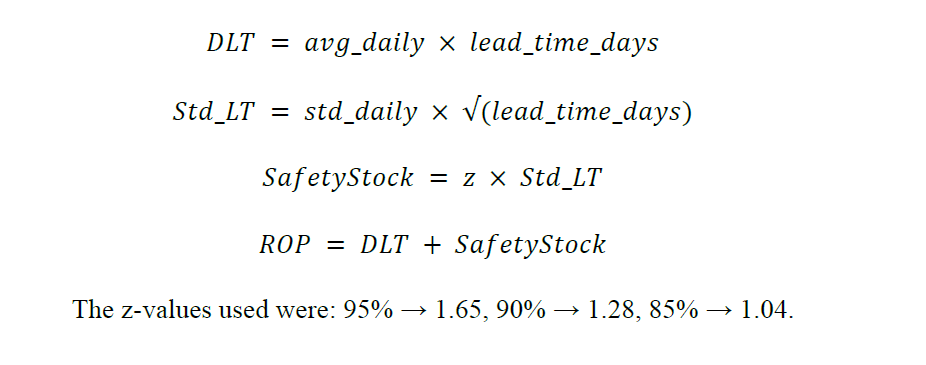
Modeled expected demand during lead time
Calculated safety stock using service-level-based z-values
Designed SKU-level reorder point policies
Simulation & Comparison
Simulated baseline replenishment performance
Simulated optimized service-level-based policy
Compared stockout frequency and inventory exposure
Customer Support Text Intelligence for Self-Service Optimization
Analyzed unstructured support interactions to identify recurring issues and design scalable self-service solutions that reduce support workload.
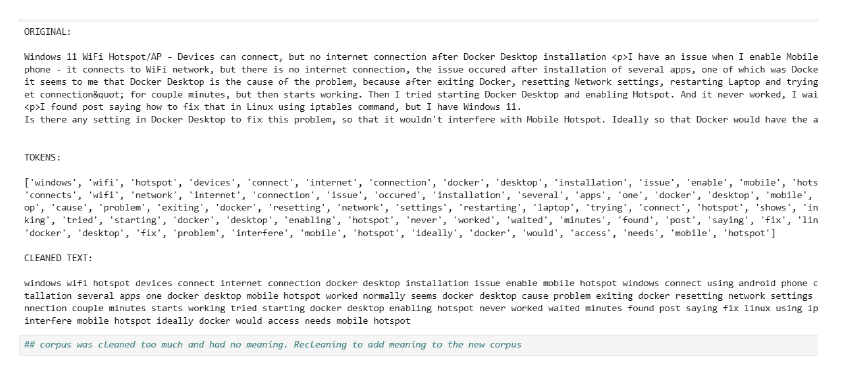
This project focused on transforming unstructured technical support interactions into actionable insights that improve customer self-service capabilities. Using text data from Stack Exchange as a proxy for real-world support logs, recurring issue patterns were identified and translated into structured opportunities for FAQ development and automated support systems.
Problem
Customer support teams often deal with high volumes of repetitive issues described inconsistently across users. Without structured analysis, it becomes difficult to:
Identify recurring problems
Prioritize support improvements
Reduce dependency on manual support interactions
This leads to inefficiencies, longer resolution times, and increased operational costs.
Business Impact
Reduced ambiguity in institutional performance tracking
Established governance-first KPI architecture
Provided structured roadmap for BI maturity
Enabled transition from reactive reporting to strategic analytics
Approach
1. Data Collection
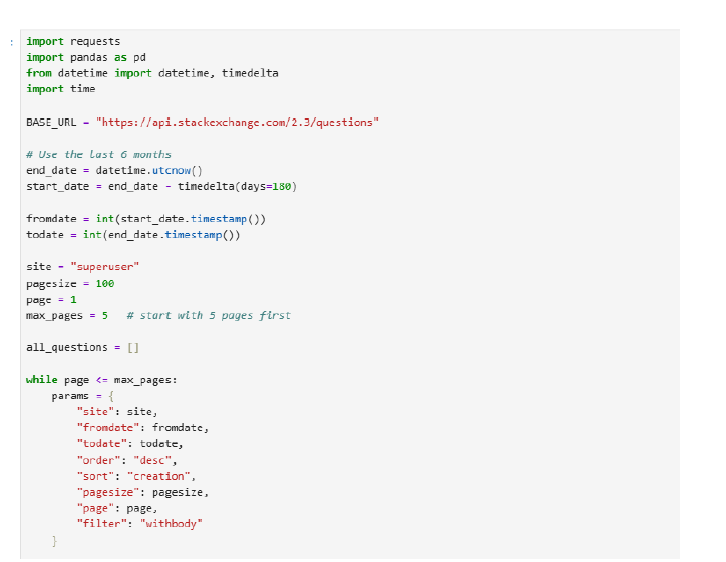
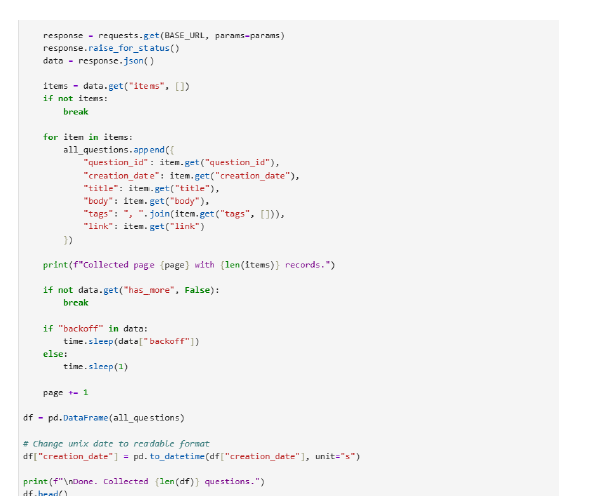
Extracted 500 support-style entries via Stack Exchange API
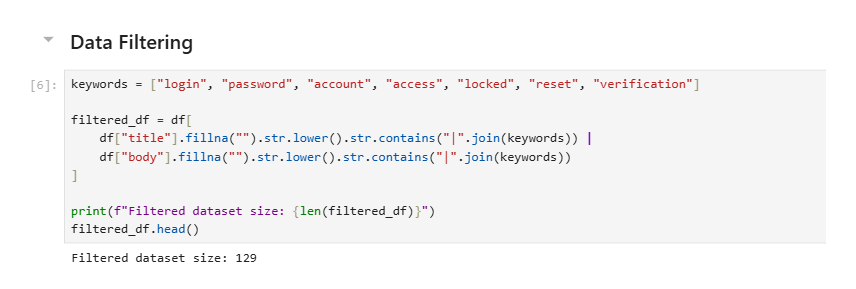
Filtered to 129 relevant records using issue-based keywords (login, password, access, etc.)
2. Data Processing & Storage
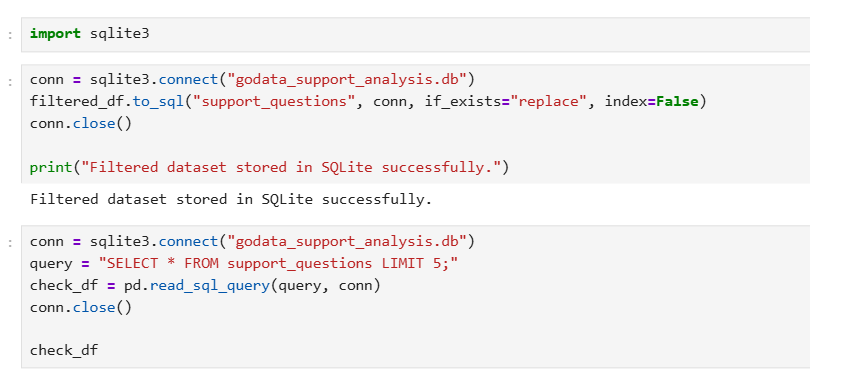
Stored data across:
JSON (raw data)
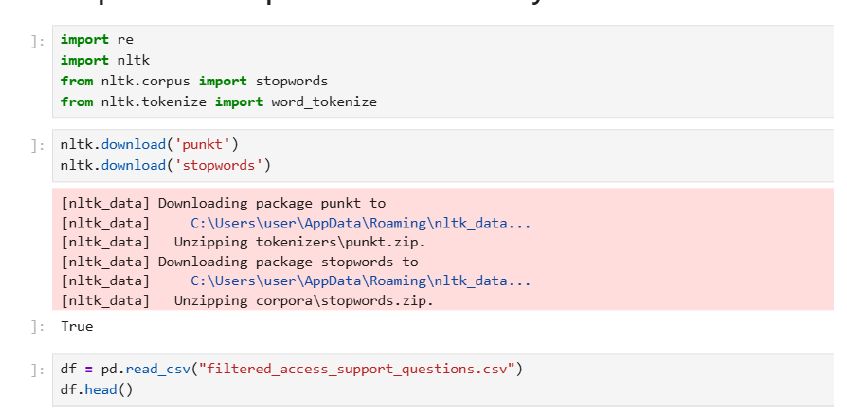
CSV (preprocessing)
SQLite (structured querying)
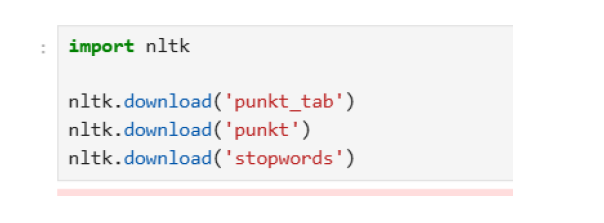
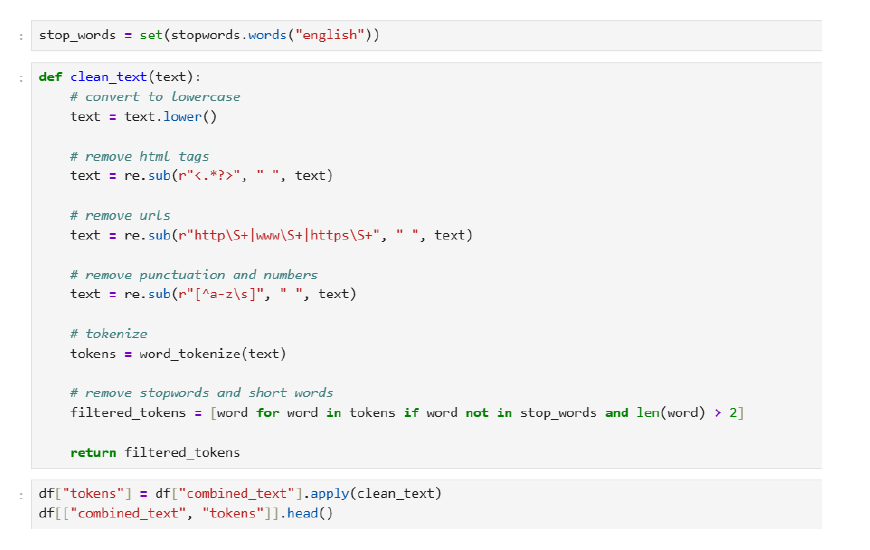
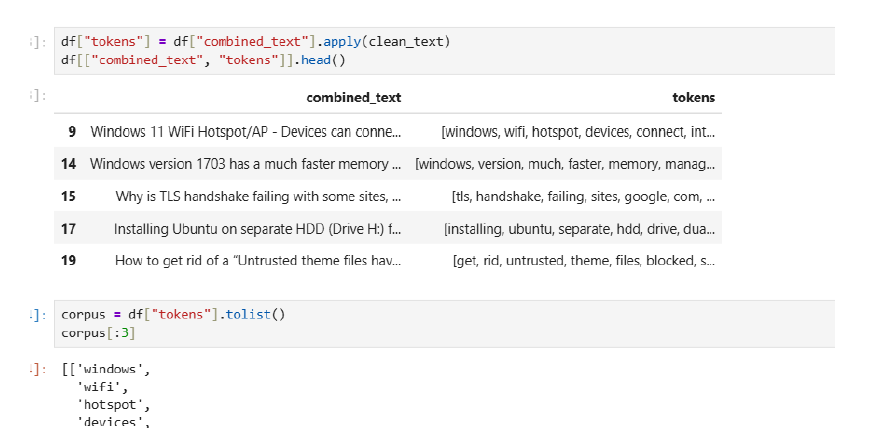
3. Text Preparation
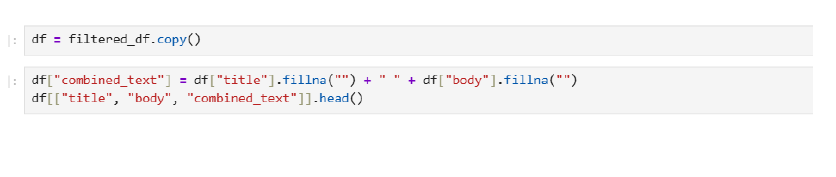
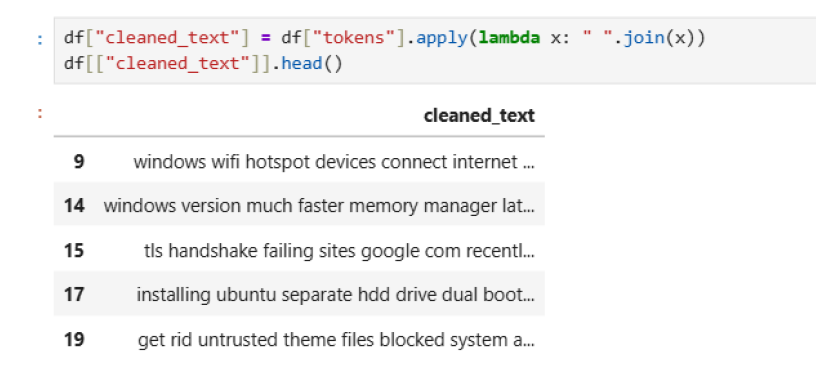
Combined titles + body text into unified documents
Cleaned:
HTML tags
URLs
Code fragments
Refined corpus to focus on readable issue summaries instead of noisy technical logs
4. Text Analysis
Performed word frequency and phrase analysis
Grouped issues into core categories:
Login & access issues
System/software configuration
Network/connectivity problems
Business Impact
Enables development of targeted FAQ and troubleshooting guides
Reduces repetitive support tickets and operational workload
Improves customer experience through faster self-resolution
Provides a foundation for AI- driven support optimization
Donation Analytics & Data Modeling for Pet Rescue Operations
End-to-End BI Pipeline: Data Cleaning, SQL Modeling & Insight Generation
Transformed raw and inconsistent donation data into a structured analytics system using SQL and dimensional modeling, enabling insights into fundraising performance, donor behavior, and geographic trends.
Problem
Donation data was unstructured and inconsistent (especially address fields)
No centralized system for storing or analyzing data
Limited visibility into donation trends across time, location, and payment methods
Inability to support data-driven fundraising decision
Solution
Developed a text analysis pipeline to extract, clean, and structure unstructured support data, enabling pattern recognition across user-reported issues.
The solution focused on:
Identifying recurring technical problem themes
Standardizing inconsistent language patterns
Structuring insights for self-service implementation
Business Impact
Reduced ambiguity in institutional performance tracking
Established governance-first KPI architecture
Provided structured roadmap for BI maturity
Enabled transition from reactive reporting to strategic analytics
Analytical & Strategic Approach
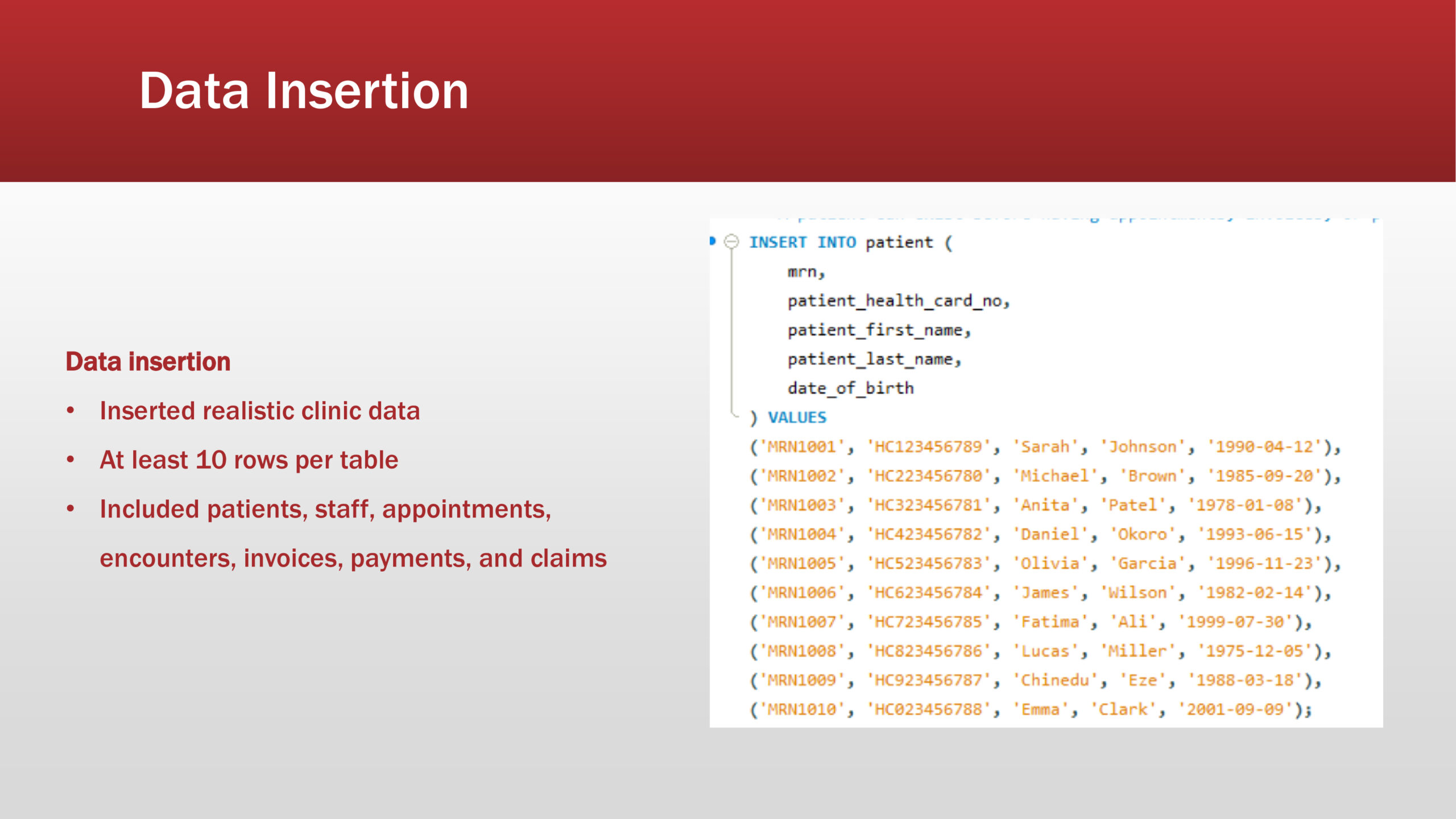
Cleaned and standardized raw CSV data (Excel preprocessing)
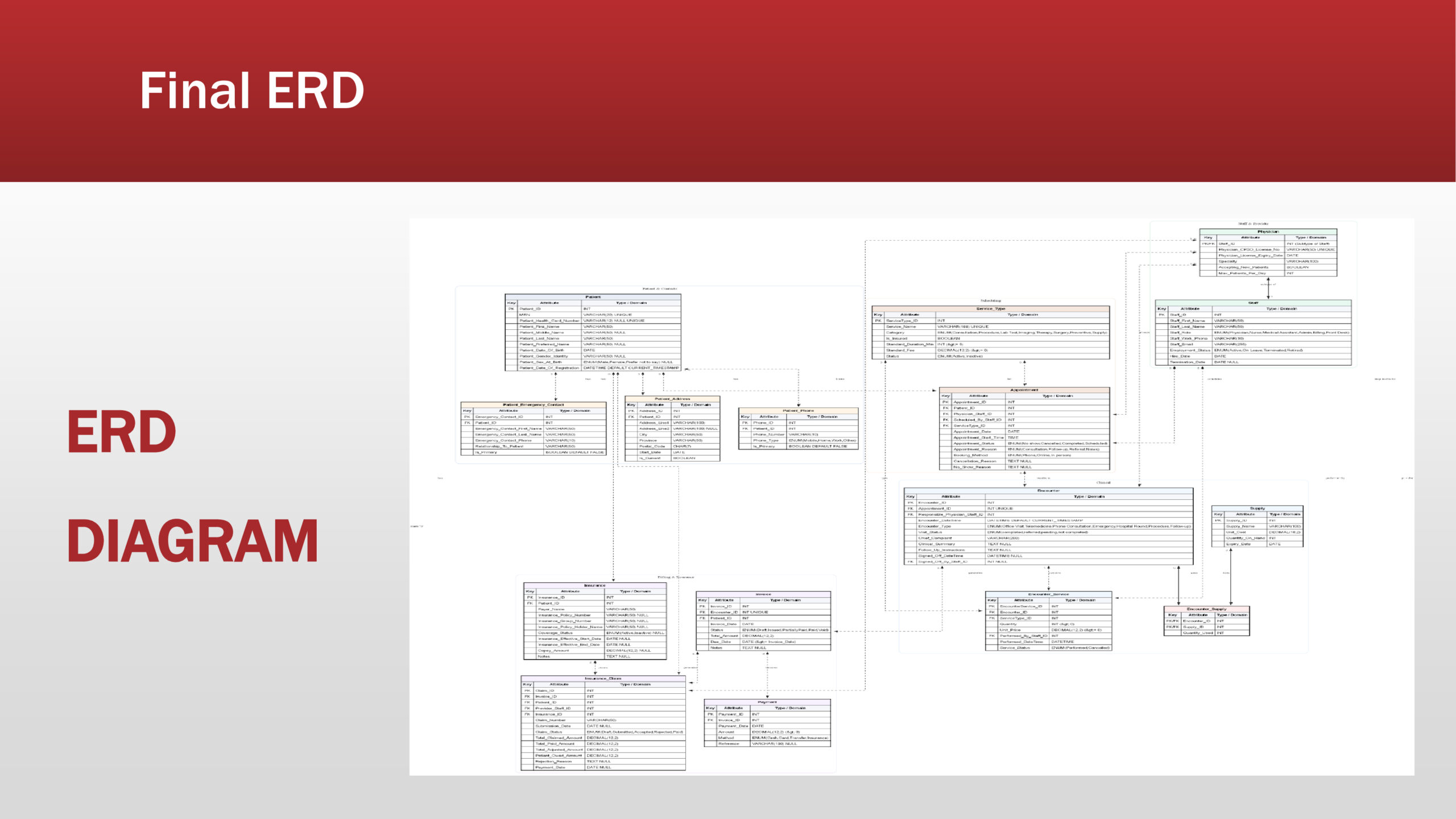
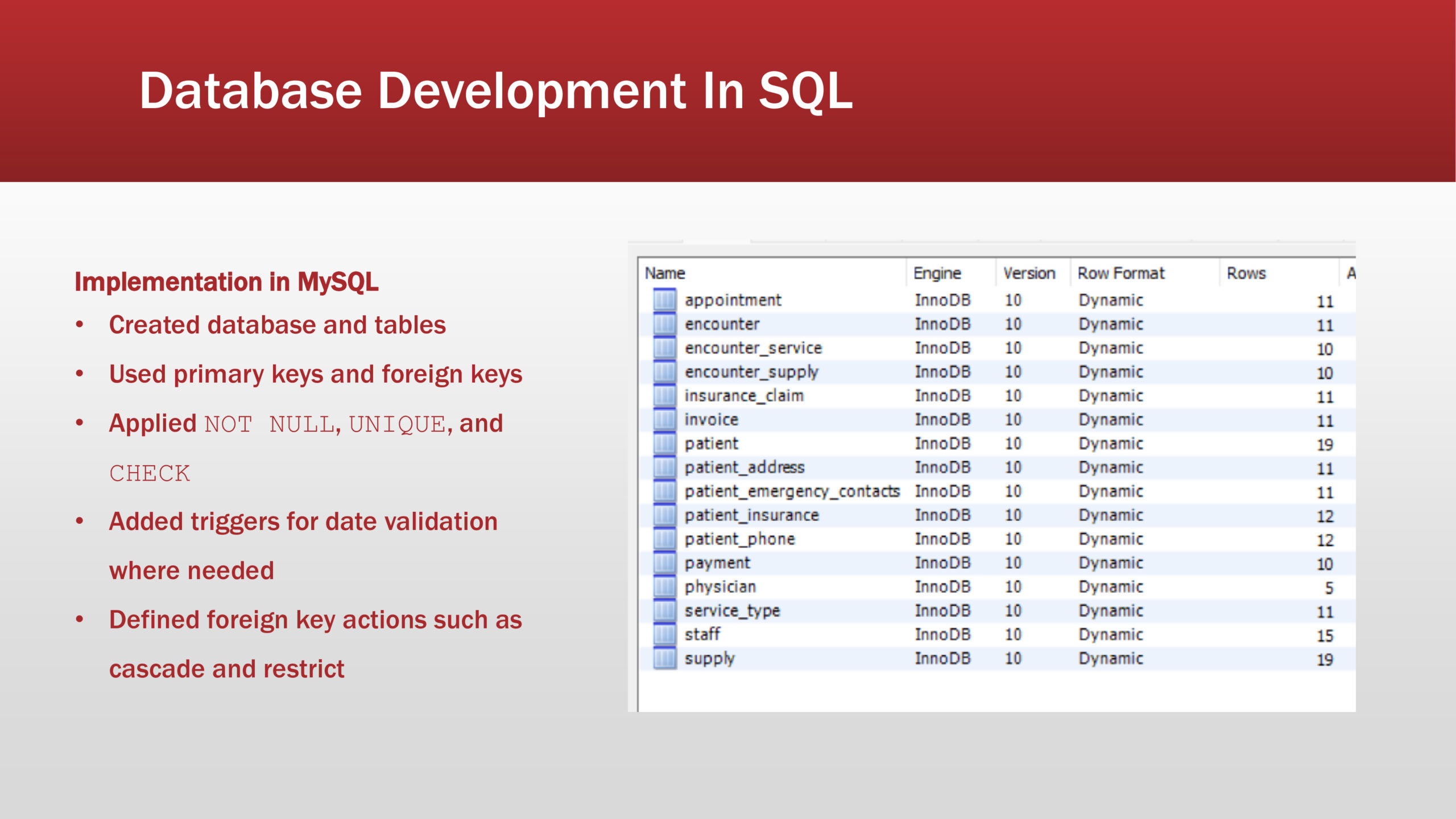
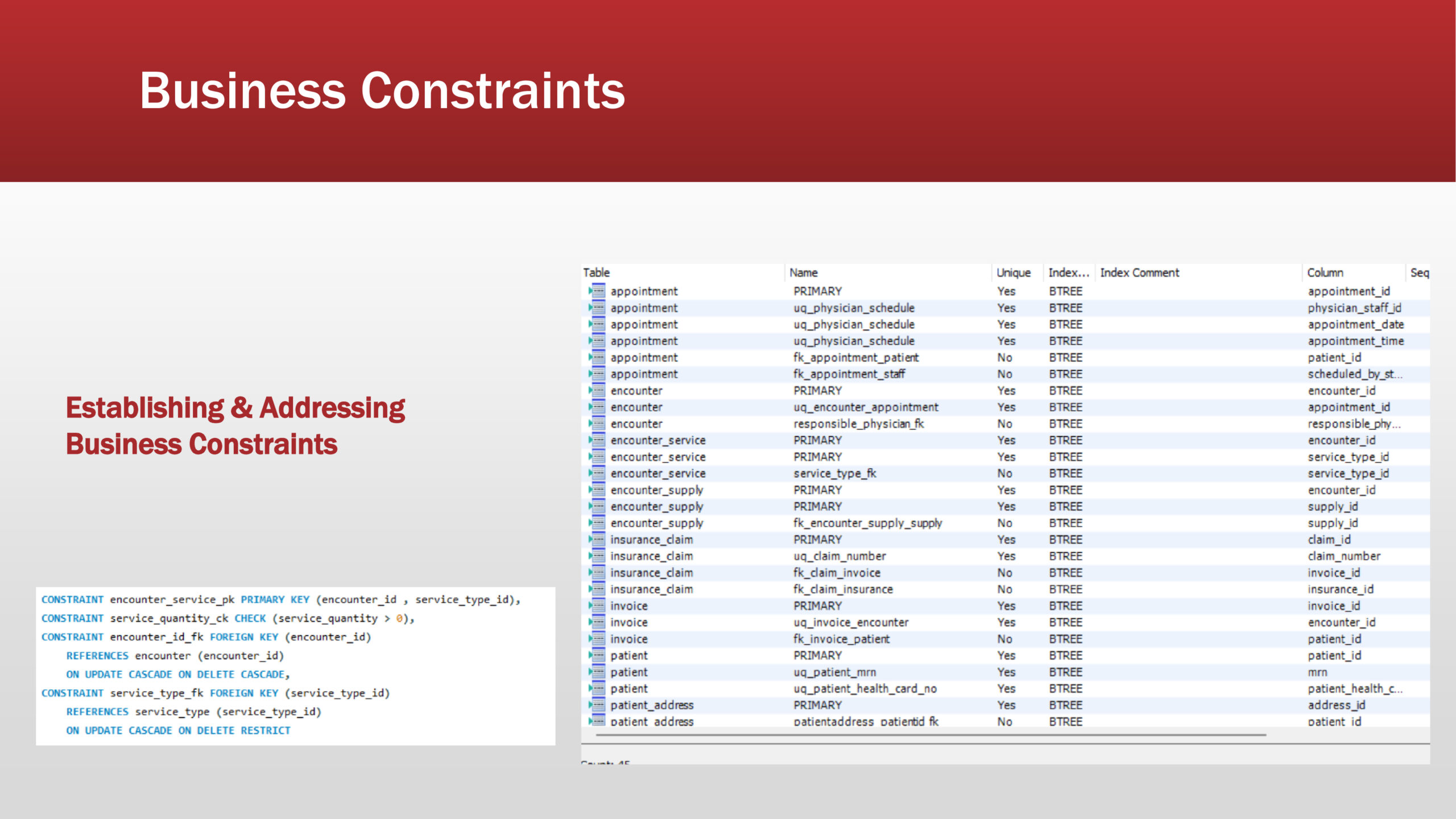
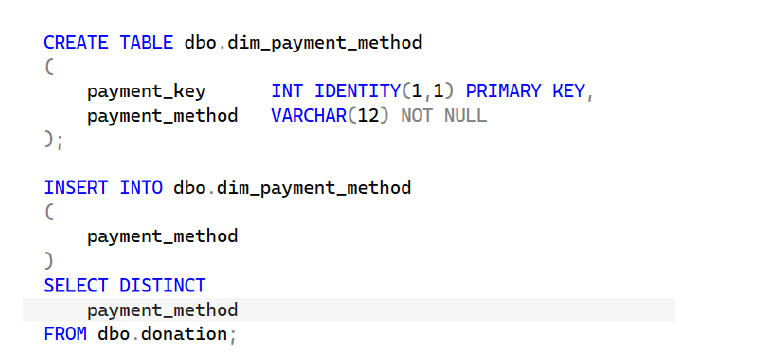
Designed a normalized transactional database (OLTP) in SQL Server
Built a dimensional model (star schema) for analysis
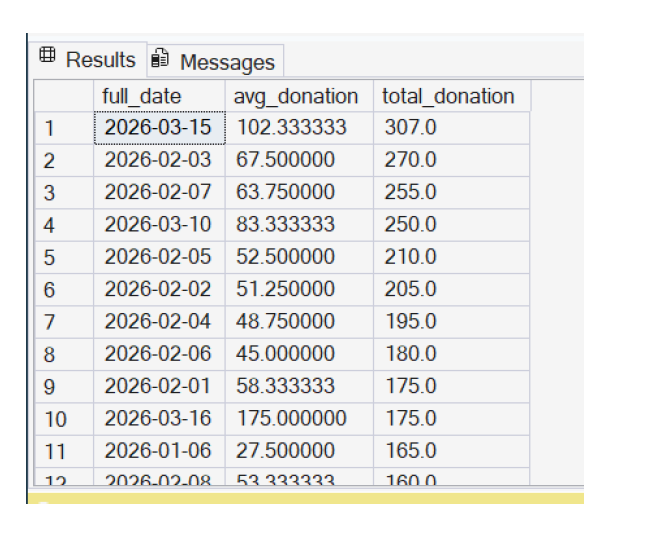
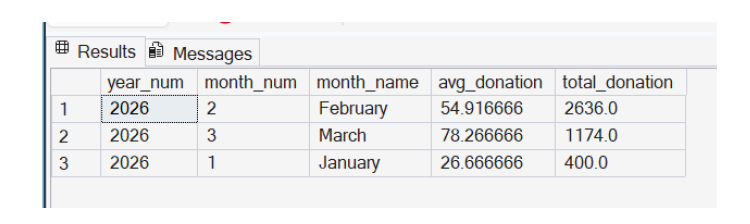
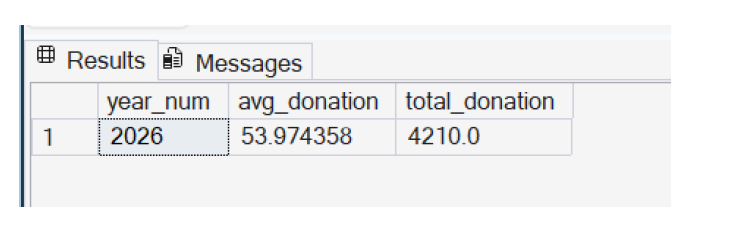
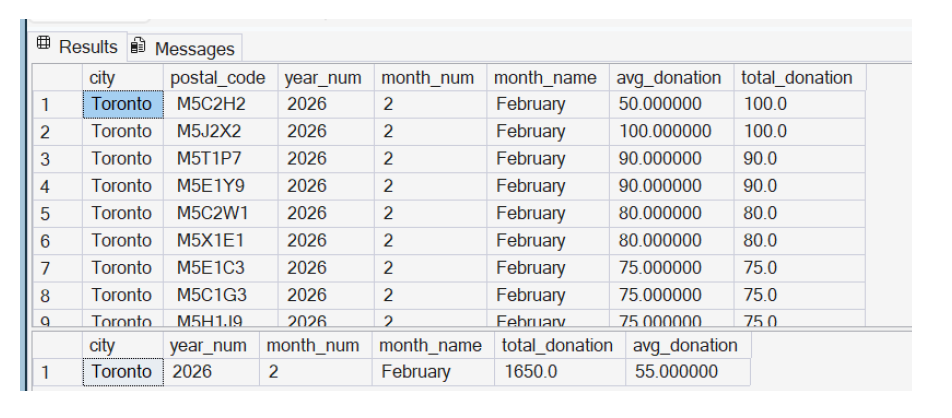
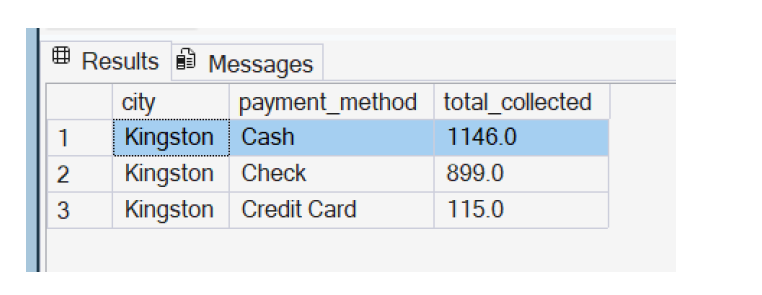
Developed SQL queries to analyze trends across time, geography, and payment behavior
Solution
Implemented structured relational database with donation, volunteer, and address tables
Developed a star schema with fact and dimension tables for efficient analytics
Enabled time-based, geographic, and behavioral analysis through optimized queries
Created a scalable data model for ongoing reporting and insights
Business Impact
Unlocked visibility into high-performing donation periods and locations
Identified donor behavior patterns across payment methods
Enabled targeted fundraising strategies based on data insights
Established a scalable BI framework for future analytics and reporting
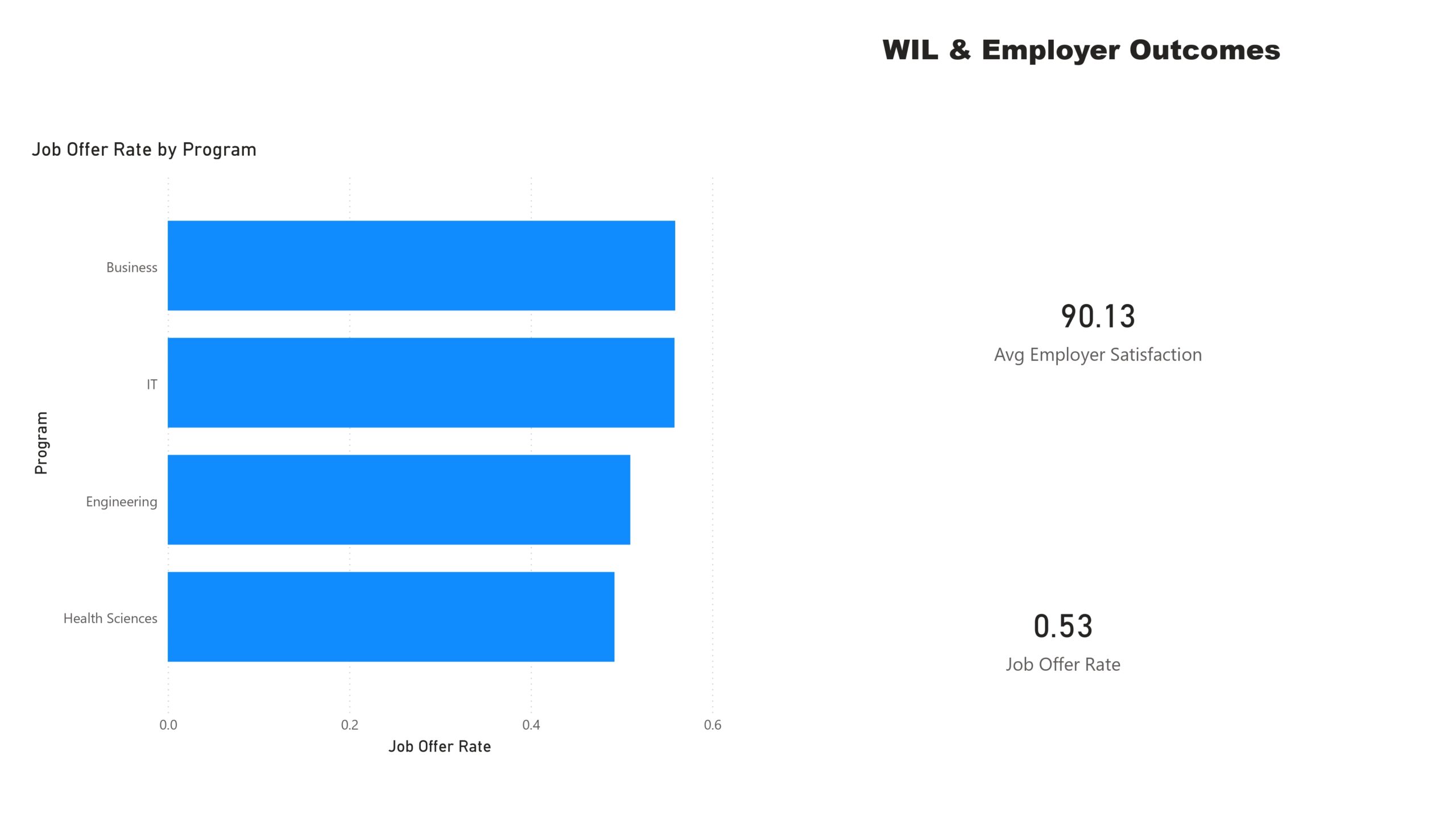
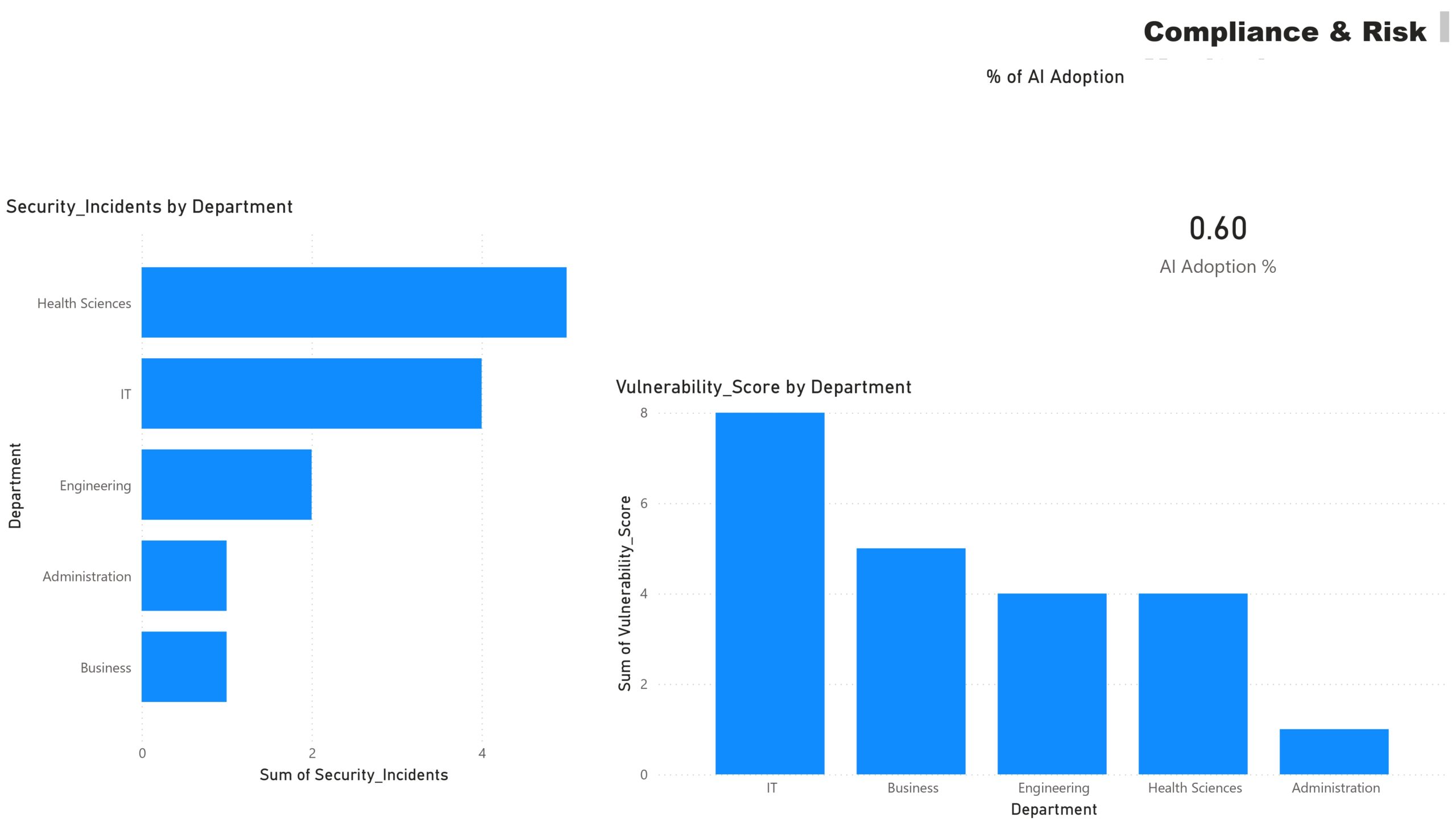
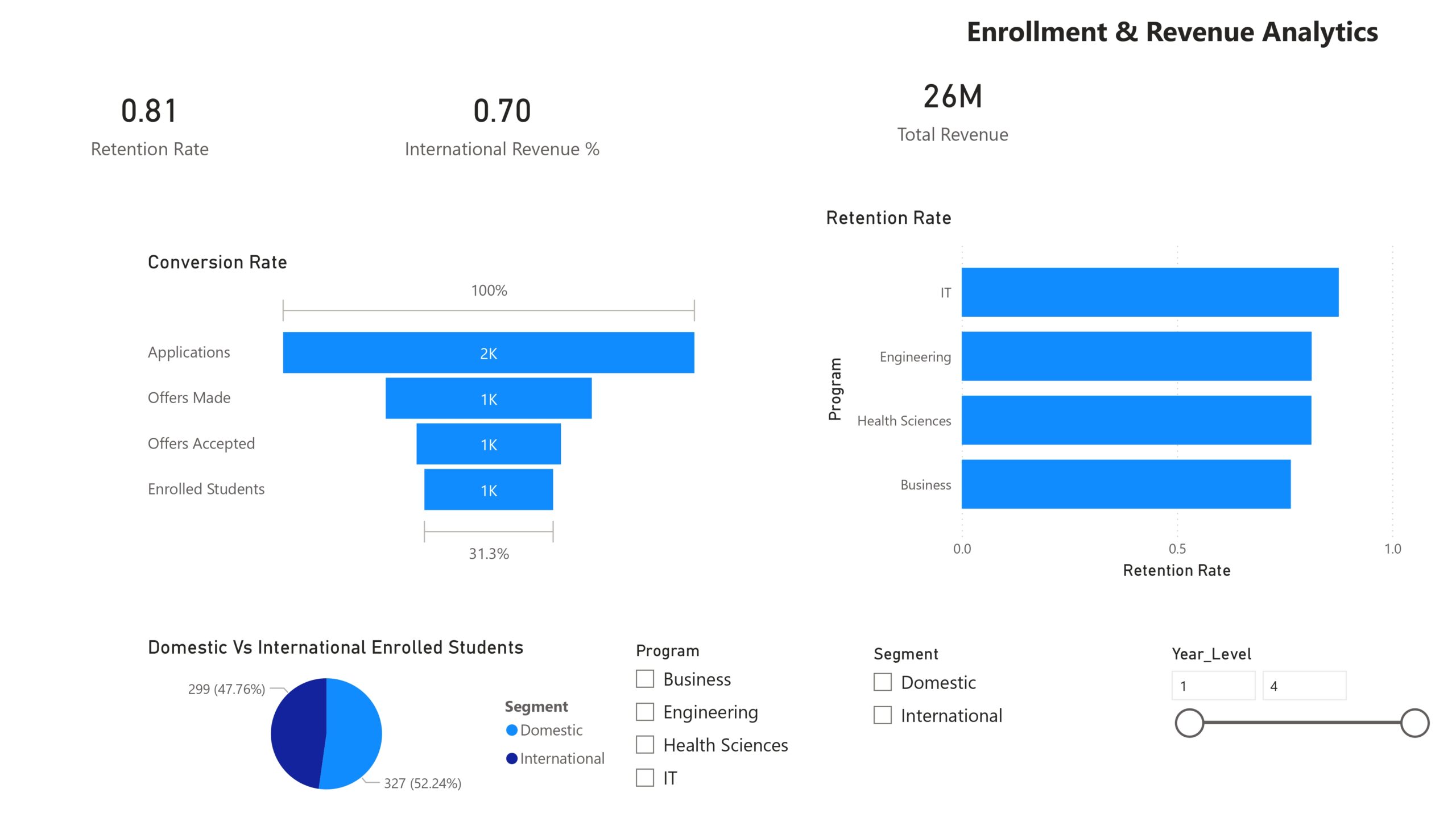
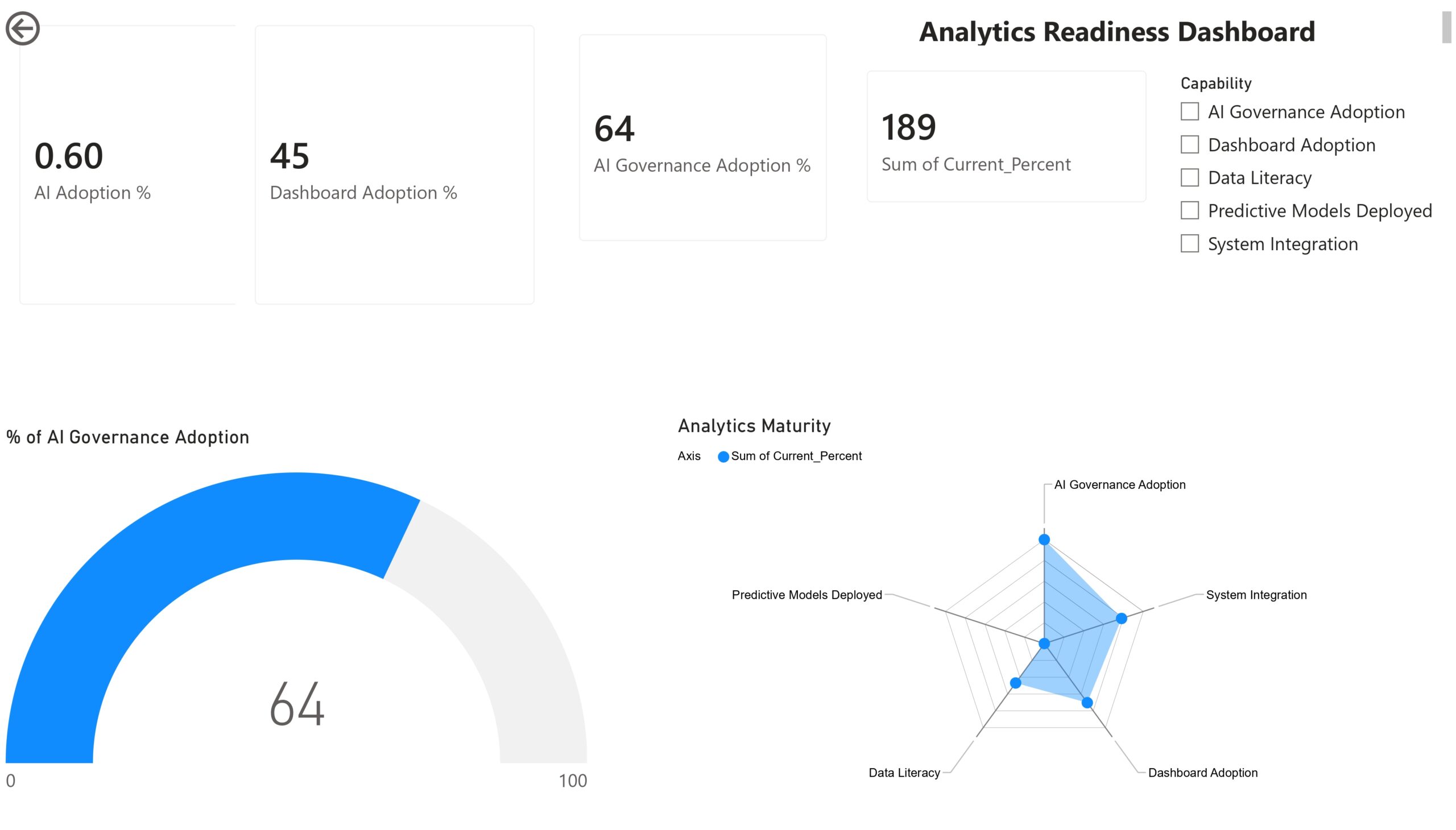
Institutional Data Strategy & BI Modernization
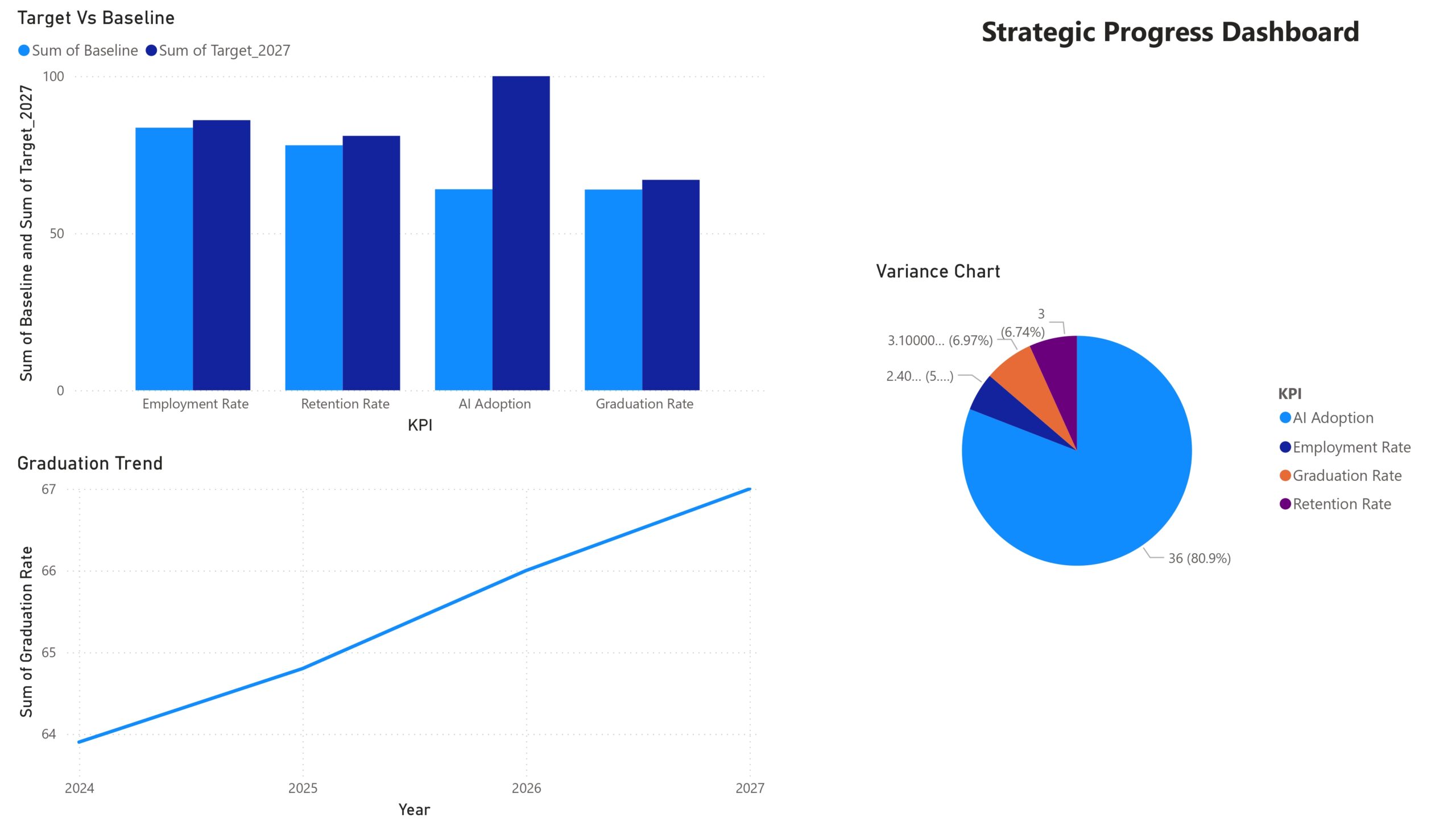
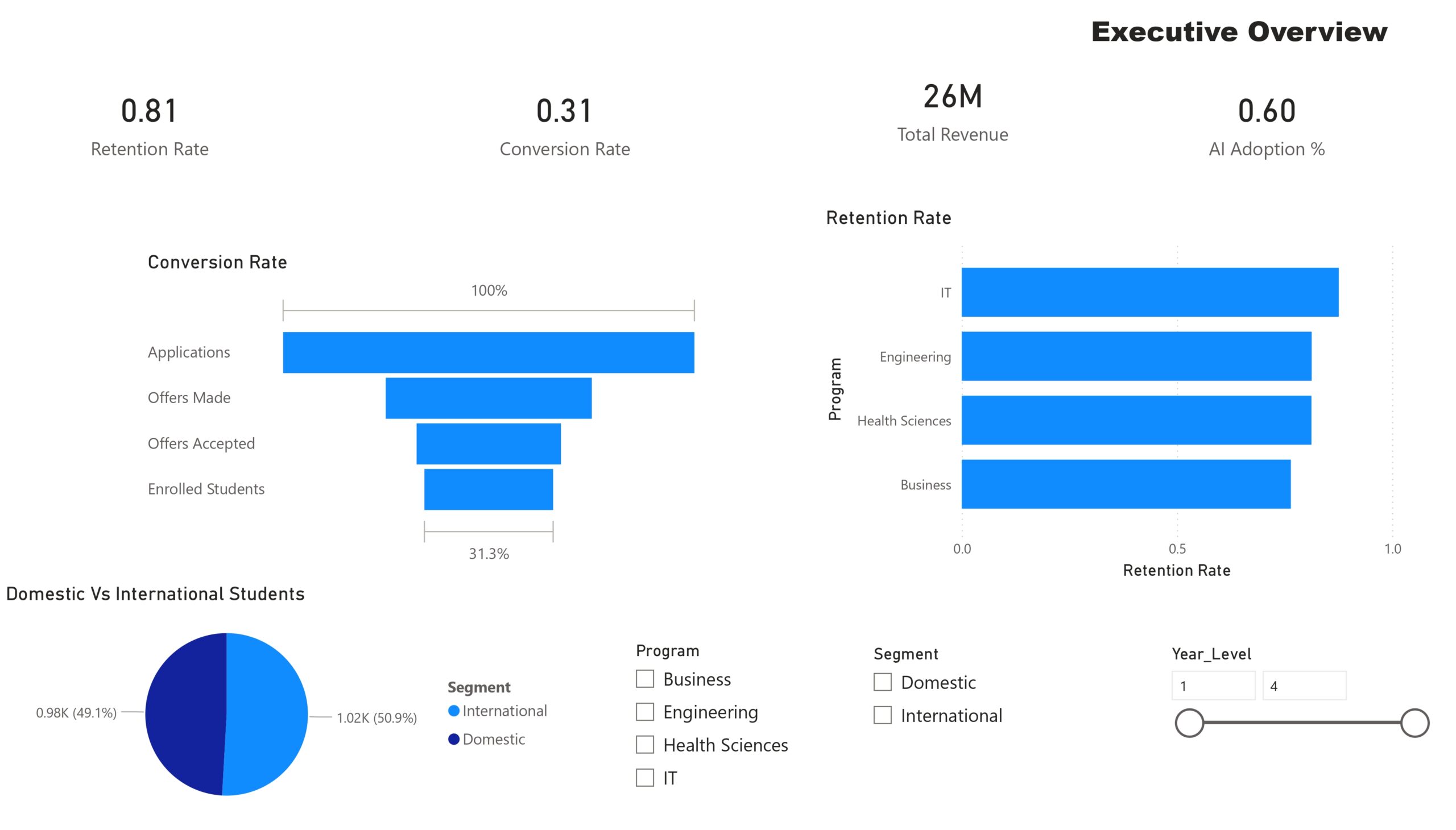
Designed a strategic data maturity and business intelligence roadmap to improve decision-making, governance, and performance visibility.
Conducted a comprehensive data strategy and business intelligence assessment for Humber College, identifying gaps in data governance, analytics maturity, and performance reporting. Developed a transformation roadmap integrating governance frameworks, KPI architecture, and dashboard strategy to support institutional decision-making.
Problem
Humber College faced:
Fragmented data across departments
Limited governance standardization
Inconsistent KPI definitions
Reactive reporting instead of proactive analytics
Limited visibility into institutional performance drivers
The objective was to evaluate current data maturity and design a scalable BI transformation framework.
Business Impact
Reduced ambiguity in institutional performance tracking
Established governance-first KPI architecture
Provided structured roadmap for BI maturity
Enabled transition from reactive reporting to strategic analytics
Analytical & Strategic Approach
Environmental & Strategic Analysis
PESTEL analysis
Porter’s Five Forces
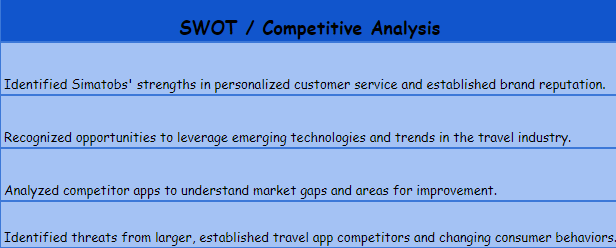
SWOT assessment
Higher-education market positioning analysis
Data Maturity & Governance Assessment
Evaluated current-state data architecture
Identified silos and duplication risks
Assessed governance gaps
Analyzed reporting workflows
BI & KPI Framework Design
Defined institutional KPI structure
Designed role-based dashboard concepts
Identified leading vs lagging indicators
Proposed governance standards for metric consistency
Rebuilt and optimized a commerce platform to support scalable growth, inventory intelligence, and data-driven decision making.
Slice Baby Slice required a scalable digital commerce system that could support evolving product offerings, wholesale operations, and improved customer conversion performance.
I led the platform rebuild, integrating backend logic, inventory tracking, and analytics to create a sustainable growth infrastructure.
Problem
Limited scalability of initial website structure
No structured inventory tracking logic
Manual product and order workflows
Weak visibility into user behavior and conversion metrics
Inefficient wholesale purchasing flow
Measurable Results
Improved checkout flow efficiency
Enhanced conversion path clarity
Increased backend manageability and scalability
Enabled ongoing KPI-driven optimization
Strengthened long-term growth infrastructure
Strategic Impact
Transformed the business from a basic digital storefront into a structured, analytics-enabled commerce system designed for sustainable scaling and operational clarity.
Strategic Approach
Platform Re-Architecture
Rebuilt site into full eCommerce platform
Structured product categorization and bundling logic
Implemented scalable backend configuration
Integrated secure payment systems
Inventory & Operational Systems
Implemented inventory tracking framework
Configured wholesale checkout flows
Structured product bundling logic
Optimized backend workflows for manageability
Conversion & Analytics Enablement
Integrated behavioral tracking tools
Defined conversion funnel KPIs
Implemented SEO and structured data best practices